Regenerative Agriculture at PACHA
PACHA's buckwheat is Verified Regenerative through the Soil & Climate Initiative (SCI) — grown in partnership with regenerative farmer John Strofus at Field Theory. Here's what that certification means, how our sourcing works, and why we built our bread around a regenerative cover crop in the first place.
What Regenerative Agriculture Actually Means
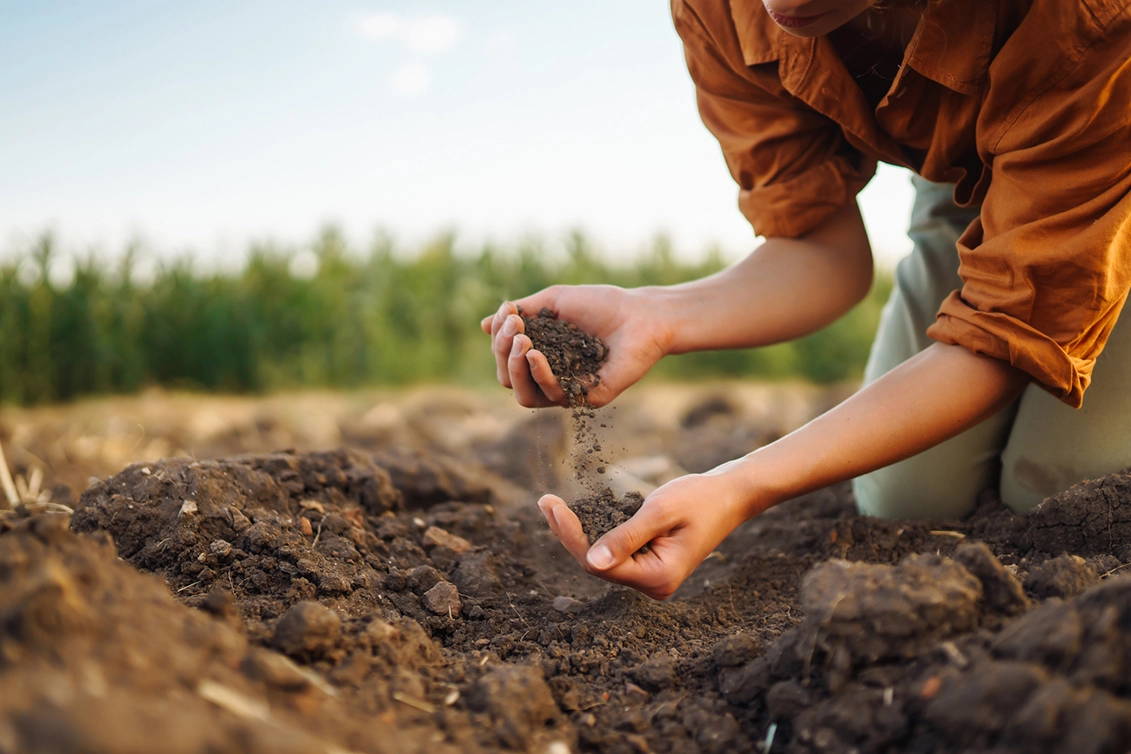
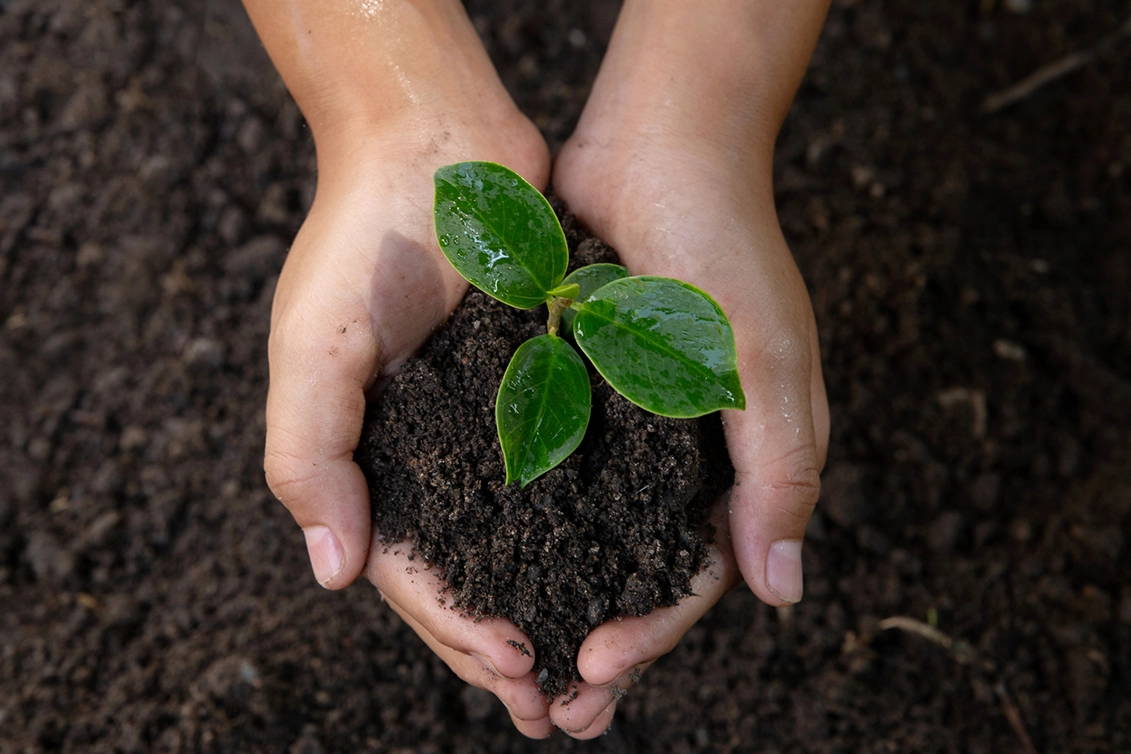
Regenerative agriculture is farming that rebuilds soil instead of depleting it — restoring organic matter and biodiversity in the process, which in turn helps draw carbon out of the atmosphere and back into the ground. It's a step beyond organic: organic farming avoids synthetic inputs, but regenerative farming actively improves the health of the land it uses, season over season.
For a food company, that's not just an environmental stance — it's a supply chain decision. It means choosing crops, farmers, and practices that leave soil better than they found it, and being able to prove it through third-party verification rather than a marketing claim alone.
Why We Built PACHA Around Buckwheat
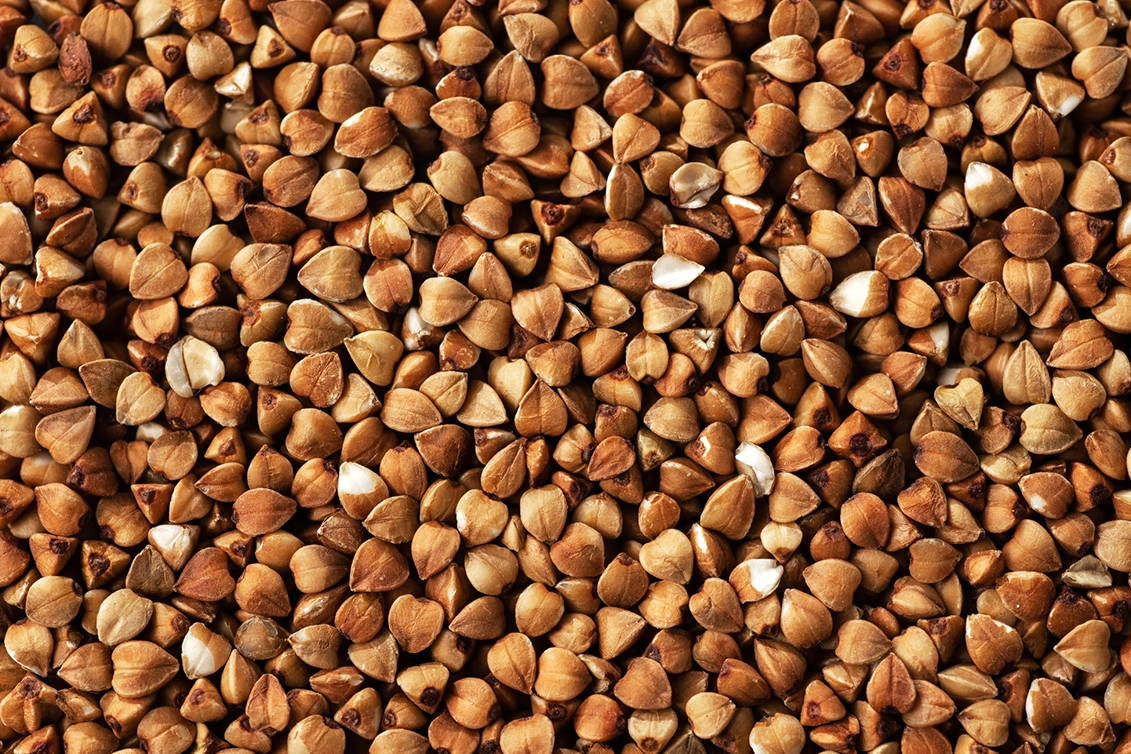
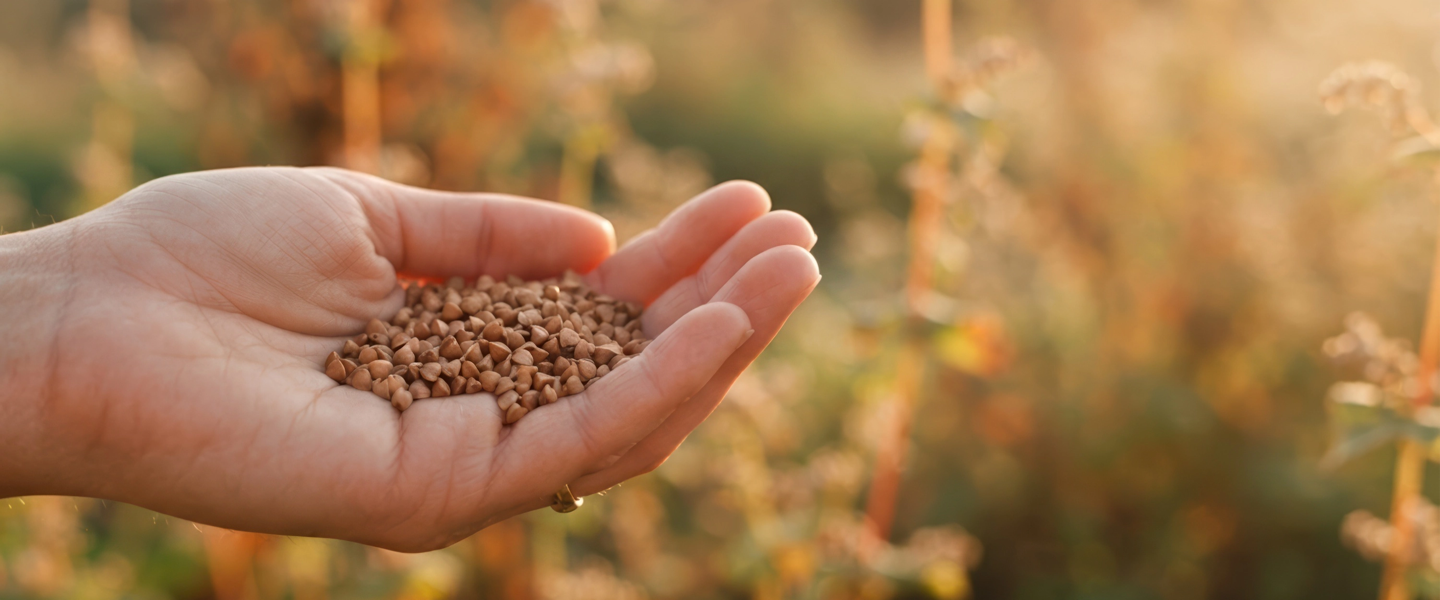
Buckwheat isn't a grain — it's a naturally gluten-free pseudo-cereal, and it happens to be one of the best regenerative cover crops available. As a nitrogen-fixing cover crop, buckwheat:
- Prevents soil erosion by holding ground cover between growing seasons
- Adds nitrogen back into the soil naturally, reducing the need for synthetic fertilizer
- Flowers prolifically, supporting pollinators and on-farm biodiversity
- Suppresses weeds well enough that farmers can cut back on herbicide use
- Tills back into the earth at the end of its cycle, becoming part of the next season's fertile soil
It's also just a delicious base for bread — but the fact that our core ingredient is a cover crop, not a commodity grain, is the whole reason we’ve been able to build out this regenerative sourcing model.
Every PACHA loaf and English muffin starts with two ingredients: sprouted organic buckwheat and sea salt, wild-fermented with no added yeast. Buckwheat isn't a side note in that recipe — it's the whole kit and caboodle!
Our Buckwheat Sourcing
PACHA sources organic buckwheat from Midwest farms that are actively transitioning to — and, in the case of our regenerative partner farms, already practicing — Verified Regenerative growing methods.
Our Partner: Field Theory
We source in partnership with Field Theory, the regenerative farming operation run by John Strofus. Through this partnership, over 1,200 acres and counting have been converted from conventional to regenerative practices — proof that regenerative sourcing can scale as a real supply chain, not just a package claim. John helps us to onboard new farmers and new acreage every year in order to meet the needs of our growing business.
Our Certification: Soil & Climate Initiative Verified Regenerative
PACHA's regenerative claim is backed by third-party verification, not self-certification. Our buckwheat is Verified Regenerative through Soil & Climate Initiative (SCI) — an independent body that verifies regenerative farming practices are actually being used on the ground, rather than simply taking a brand's word for it.
What Soil & Climate Initiative Verification Covers
SCI verification looks at how the land is actually farmed: soil health outcomes, cover cropping, reduced tillage, and biodiversity practices, confirmed through farm-level assessment rather than a marketing checklist. It's what lets us say "regeneratively grown buckwheat" and mean something specific and verifiable by it, not just a feel-good phrase.
(Note: PACHA's certification is specifically Soil & Climate Initiative Verified Regenerative — a distinct certifying body from Regenified or Regenerative Organic Certified (ROC). If either of those terms comes up elsewhere, they refer to different programs than the one PACHA holds.)
Alongside Our Organic and Gluten-Free Certifications
Regenerative certification sits alongside PACHA's other two core certifications:
- USDA Organic (certified via CCOF)
- Certified Gluten-Free (GFCO)
- Verified Regenerative (Soil & Climate Initiative)
Together, these mean every PACHA product starts from organic, regeneratively-grown buckwheat, is verified gluten-free, and is made with nothing else you'd need to look up — just two ingredients.
FAQ
Is PACHA's bread regenerative organic certified?
Not exactly — and we want to be precise about this rather than overclaim. PACHA's buckwheat is Verified Regenerative through the Soil & Climate Initiative, a distinct certifying body from Regenerative Organic Certified (ROC) or Regenified. Alongside that, PACHA products are separately certified USDA Organic (via CCOF) and Certified Gluten-Free (GFCO).
What makes buckwheat a regenerative crop?
Buckwheat is a nitrogen-fixing cover crop — it holds soil in place, adds nitrogen back into the ground naturally, feeds pollinators through its flowers, and suppresses weeds without relying on herbicides. At the end of its growing cycle, it's tilled back into the earth to become part of the next season's soil.
Who grows PACHA's buckwheat?
PACHA sources organic buckwheat from Midwest farms, including a regenerative partnership with Field Theory, run by farmer John Strofus. That partnership has converted over 1,200 acres and counting from conventional to regenerative practices.
Does PACHA still support 1% for the Planet?
Not directly — PACHA's current regenerative commitment is built into our supply chain directly now. We source Verified Regenerative buckwheat through the Soil & Climate Initiative, in partnership with Field Theory and we pay acreage fees to the farmers to help them make the transition and improve their farming methods every single year.