Better-for-You Bread Guide
Know exactly what's in your bread and why it matters.
Table of Contents
Digestion & Gut Health
Nutrition
Blood Sugar
Digestion & Gut Health
Why Some Breads Are Easier to Digest
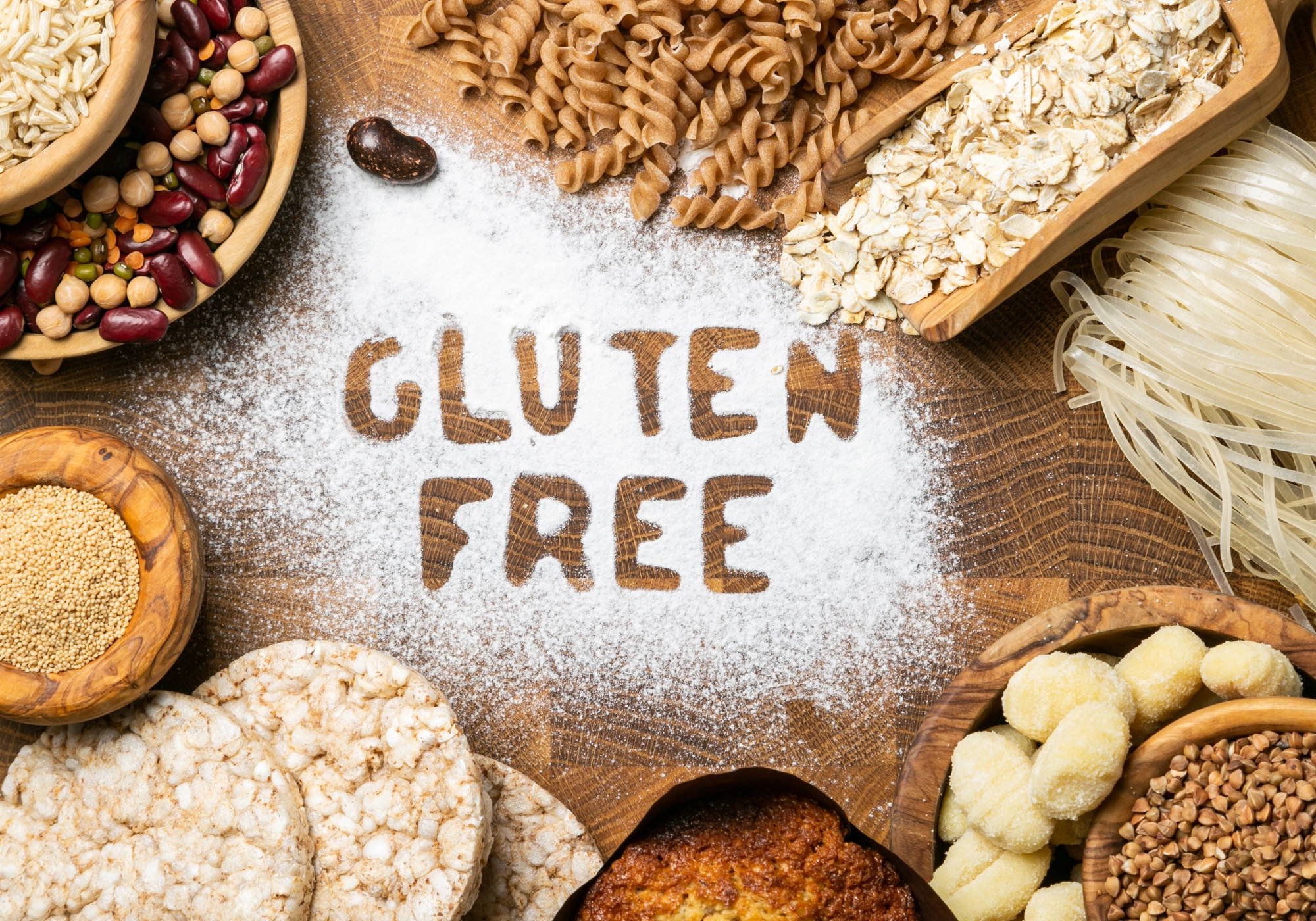
Often, but not always, bread's digestibility problem starts with gluten itself.
Gluten is unusually rich in the amino acids proline and glutamine — a combination human digestive enzymes aren't well equipped to fully break down. One resulting fragment, known as the alpha-gliadin "33-mer" peptide, survives digestion by stomach, pancreatic, and intestinal enzymes almost completely intact. In people with celiac disease, that intact fragment is what triggers the immune response. Wheat also contains amylase-trypsin inhibitors (ATIs) — proteins that activate the body's innate immune system and have been linked to digestive discomfort even in people without celiac disease.
Going gluten-free removes the specific gluten problem, but it can introduce a new one. Most gluten-free bread swaps gluten for a cocktail of gums, starches, and stabilizers to hold everything together — xanthan gum, tapioca starch, potato starch, sometimes five or six of them in one loaf. Your gut has to process all of that too, and those ingredients aren't necessarily easier on your system just because the package says "gluten-free."
This is also why "gluten-free" alone isn't a great predictor of how a bread will make you feel. The real question isn't "does it have gluten" — it's "what does it have instead, and how much of it." A 2-ingredient loaf and a 20-ingredient loaf can both say gluten-free on the front. They will not treat your gut the same way.
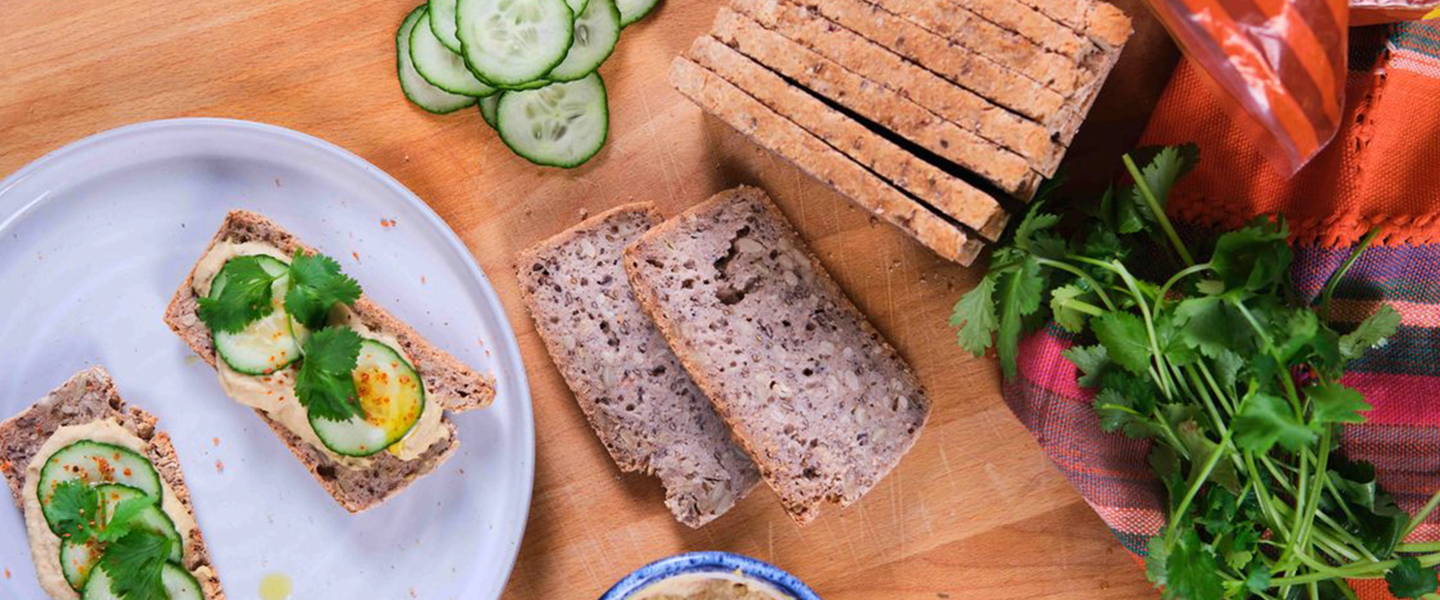
PACHA's English Muffins and Bread have just two naturally gluten-free ingredients: sprouted buckwheat and sea salt. No gluten to begin with, and no gums standing in for it either.
Does Fermentation Matter?
Yes — and there's real science behind why.
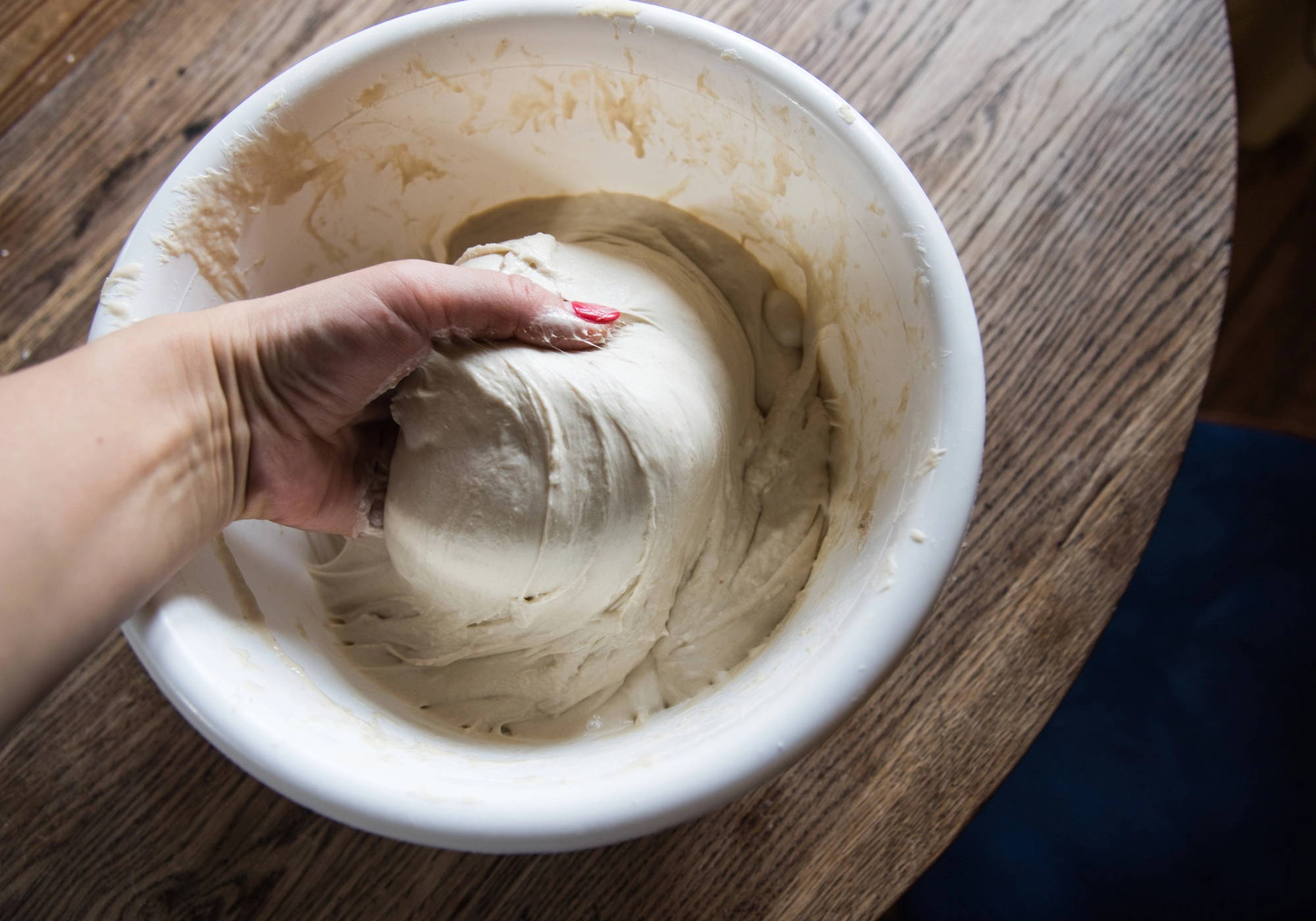
Wild fermentation (the "sourdough" kind, where naturally occurring bacteria do the work instead of added commercial yeast) doesn't just change flavor. It changes the bread itself before it’s baked or eaten.
During a real, extended fermentation, bacteria produce enzymes called phytases that break down phytic acid — a compound in seeds and grains that can block your body from absorbing minerals like iron, magnesium, and zinc. Research has shown phytic acid reductions of 50–90% through fermentation. Fermentation has also been shown to reduce FODMAPs, a group of fermentable carbs that are one of the most common triggers of bread-related bloating.
That's the part that doesn't always make it onto packaging: a lot of "sourdough" on shelves today isn't fermented long enough, or at all, to get any of these benefits. Some brands use the word "sourdough" to describe a flavor profile, not a process. Products labeled as “sourdough style” usually have a single fermented ingredient among a long list of ingredients that are NOT fermented.
PACHA's bread and English muffins are 100% wild-fermented with no added yeast — every batch. It's slower. It’s yummier. It’s better on our tummies, which is the entire reason we started making bread this way.
Does Sprouting Matter?
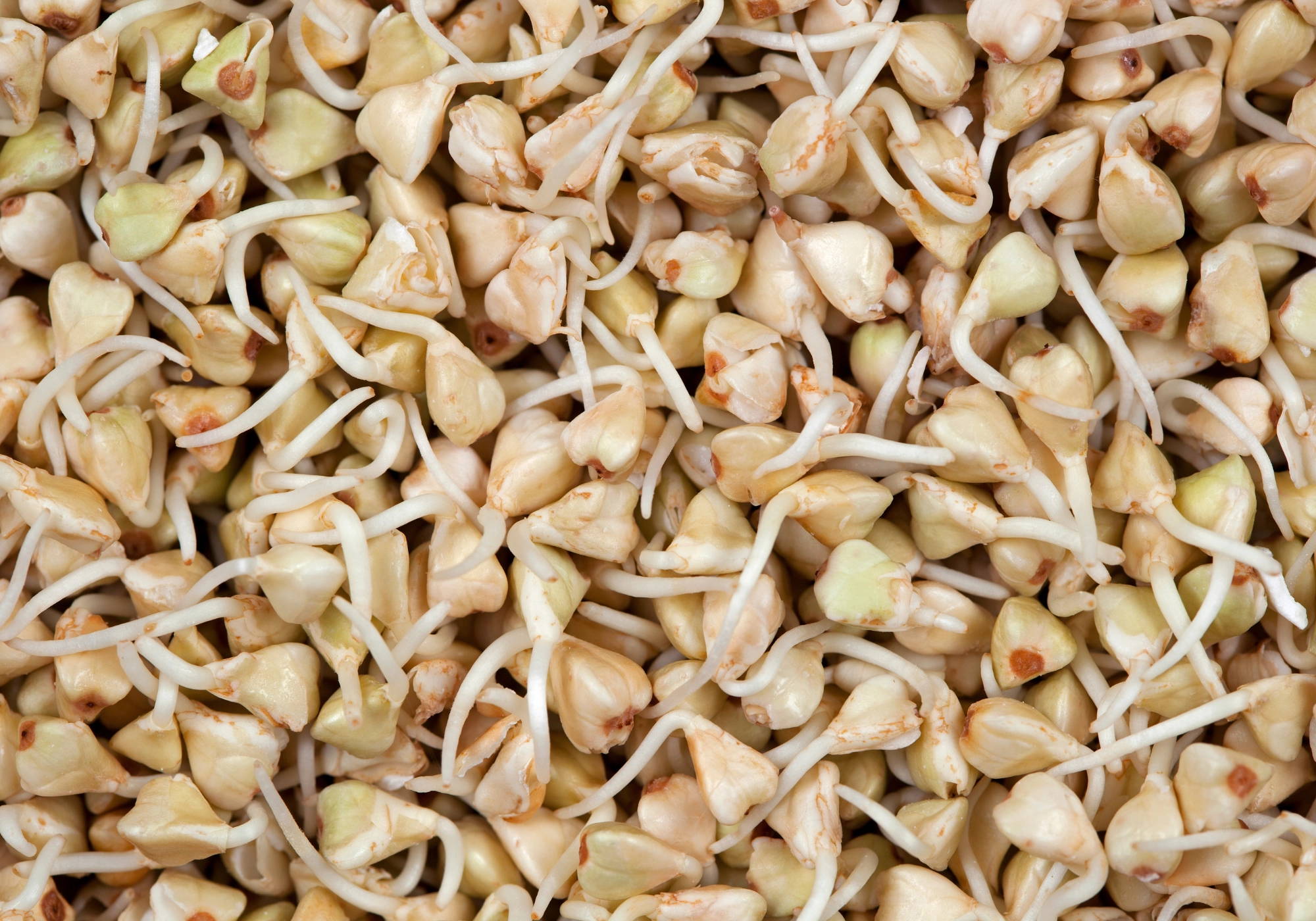
Sprouting is a real, researched process — and it's a bit more nuanced than "sprouted = strips out all the bad stuff," so let's be straight about what it actually does.
Across grains, pseudocereals, and legumes generally, sprouting is well-documented to reduce anti-nutrients (compounds like phytic acid and protease inhibitors that can interfere with digestion and mineral absorption) and to increase bioavailability of nutrients already in the seed. For buckwheat specifically, the phytic-acid research is more mixed — some studies show a modest reduction, others show little change. What holds up consistently for sprouted buckwheat is an increase in antioxidant and phenolic compounds, plus reductions in other anti-nutrients like tannins and protease inhibitors.
So sprouting buckwheat isn't a silver bullet for any one nutrient — but it does mean starting with a seed that's already begun converting its stored nutrients into a more accessible, active form, the same way any seed does when it starts becoming a plant. Combined with wild fermentation, it's part of why PACHA's process looks more like traditional food preparation than industrial baking.
Bread and Bloating

If bread makes you feel bloated, gluten usually isn't the only suspect — and sometimes it isn't the culprit at all.
Two of the most common (and least talked-about) bloating triggers in bread are FODMAPs (fermentable carbohydrates some guts have a harder time breaking down) and the gums and stabilizers that are often used to replace gluten's protein structure in gluten-free baking. Real, extended sourdough fermentation has been shown to reduce FODMAP content significantly — one reason traditionally fermented bread has a different reputation than quick-rise bread, gluten-free or not.
PACHA's bread and English muffins are wild-fermented (no added yeast) and made from two ingredients — sprouted buckwheat and sea salt — with no gums or stabilizers standing in for gluten. That combination is why so many people tell us this bread sits differently for them. Guts are personal, so we won't promise a specific outcome for yours — but we can tell you exactly what is (and isn't) in the loaf, and let the research on fermentation speak for itself.
Why Gluten-Free Doesn't Always Feel Better

Going gluten-free is supposed to make you feel better. For a lot of people, it doesn't — and that's not because a gluten-free diet doesn't work. It's because "gluten-free" doesn't always mean "simple."
Take gluten out of bread and you lose the thing that gives it structure. Most gluten-free brands replace that structure with a combination of gums, starches, and stabilizers — sometimes five or more in a single loaf. That's the gap: gluten-free tells you what's missing. It doesn't tell you what took its place. If gluten-free bread isn't making you feel the way you expected, it might be worth checking the rest of the label — the swap-ins matter as much as the swap-out.
Nutrition
Fiber in Bread
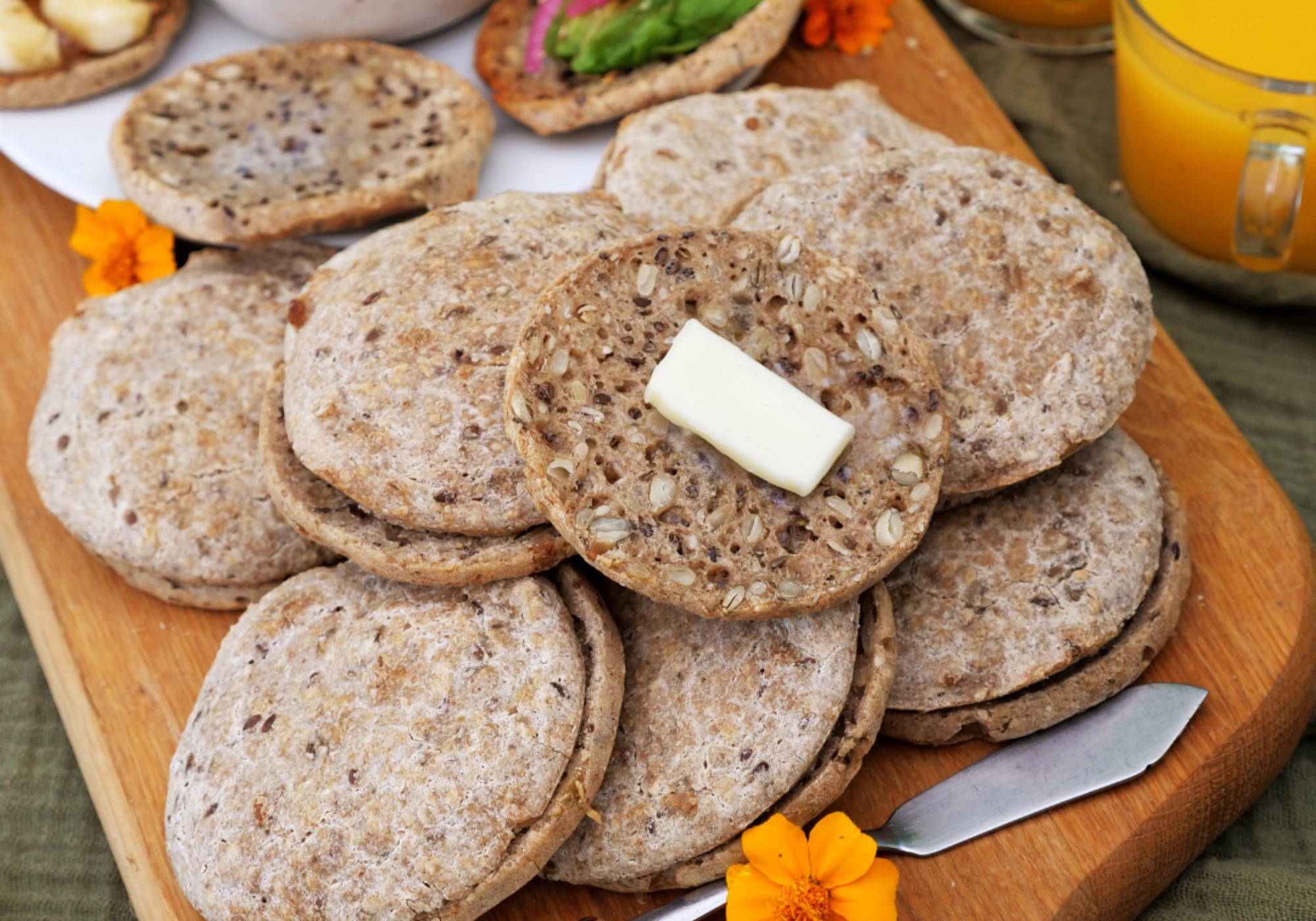
One PACHA English Muffin has 4.5g of fiber — about as much as a medium apple. Most gluten-free English muffins don't put a fiber number on the label at all, and the ones that do land closer to 3g.
That fiber comes from one place: whole sprouted buckwheat. Not an added fiber blend, not a resistant-starch ingredient (like, green banana fiber, tapioca fiber, raw potato starch) included in a formulation just to hit a number. (Some breads on shelf do post higher fiber numbers than ours, but they get there with engineered low-carb formulations built around fiber additives, not whole grain. Different product, different goal.)
Fiber matters for digestion generally — it's part of why whole, minimally processed foods tend to sit better than heavily refined ones. If you're comparing labels, look for where the fiber actually comes from, not just the number on the front.
Protein in Bread
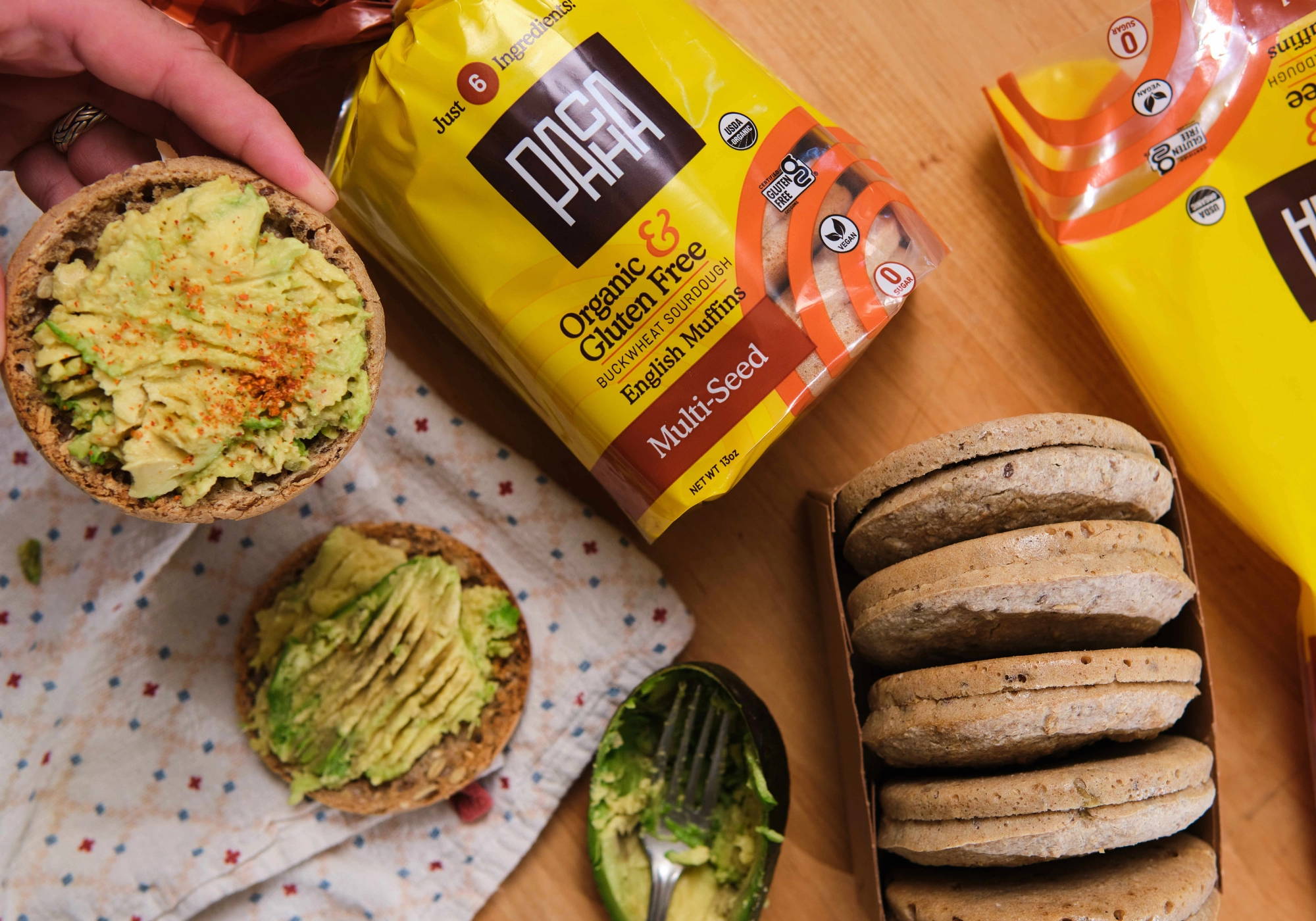
PACHA's Multi-Seed English Muffin has 8.3g of protein — more than a large egg, in an English Muffin (hello toddler breakfast!).
But the more interesting story here isn't the gram count, it's the quality. Buckwheat is one of only a handful of plant-based sources of complete protein, meaning it has all nine essential amino acids your body can't make on its own. It's also unusually rich in lysine — the amino acid most commonly missing in grain-based diets. Wheat protein runs low on lysine; buckwheat has more than double, putting it closer to complete proteins like eggs or dairy than to most grains.
Add seeds to the mix (the Multi-Seed line) and you get a bread that's high in protein and unusually well-rounded in the amino acids that actually matter — without needing an egg, or protein powder, or a paragraph of add-ins for more protein content.
Whole-Food Ingredients
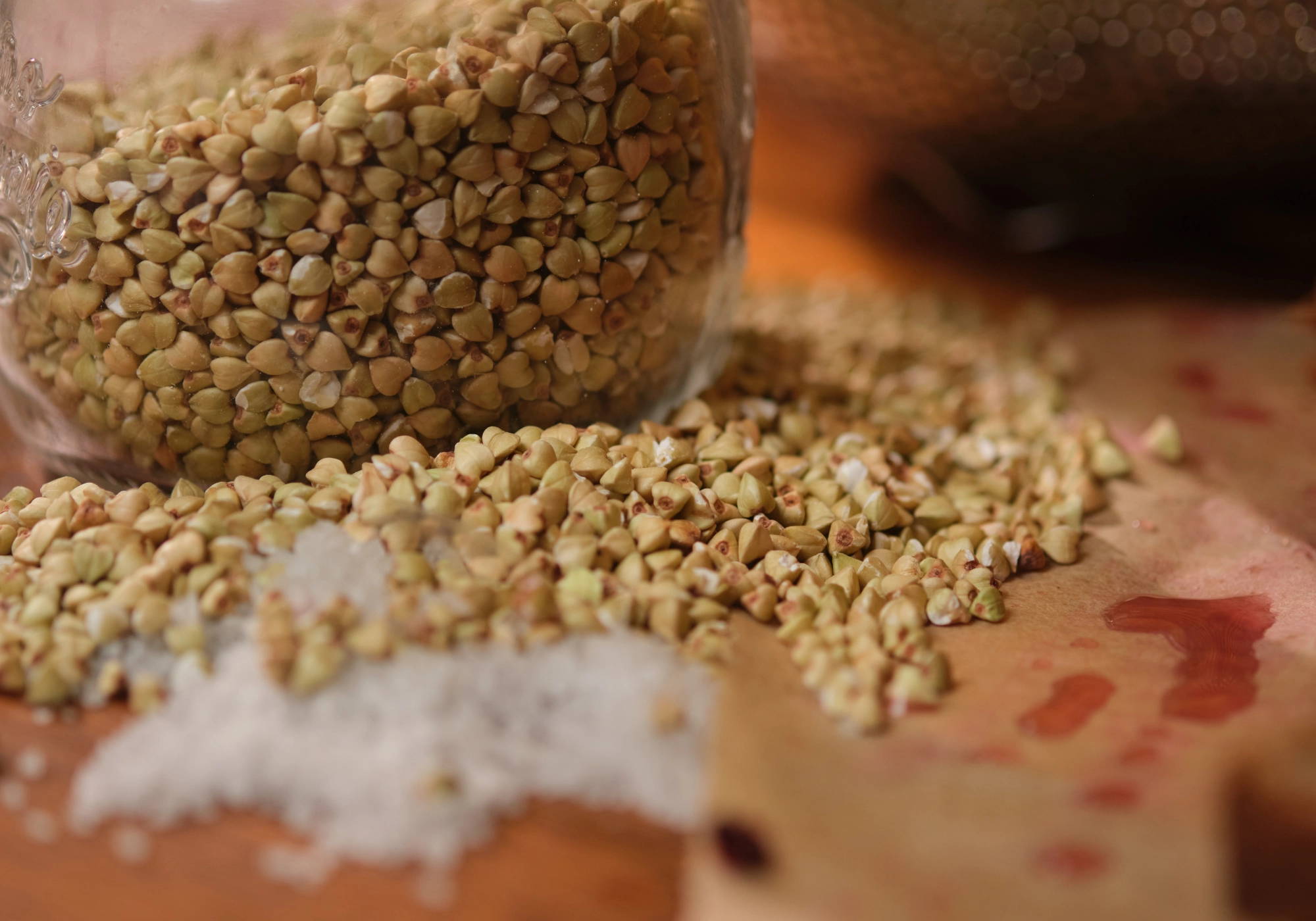
PACHA bread and English muffins are made from two ingredients: sprouted buckwheat and sea salt. No gums. No stabilizers. No dough conditioners, preservatives, or fillers standing in to do a whole grain's job.
That's unusual in gluten-free baking, where most breads need help holding together once gluten is out of the picture. Compare labels: Food For Life uses 8 ingredients, Base Culture about 10, Simple Kneads 12, Canyon Bakehouse 17, Udi's 20. PACHA uses 2.
Simple ingredients don't mean a shortcut recipe — it's closer to the opposite. Two ingredients means nothing is standing in to fake structure or shelf life that would otherwise take real time to build the traditional way. That's why PACHA takes the slower route instead: sprouting the buckwheat, then wild-fermenting it, rather than reaching for a gum or stabilizer to get there faster. Fewer ingredients on the label + more time in the process = an all-around better quality bread that’s better for your belly.
Bread Myths
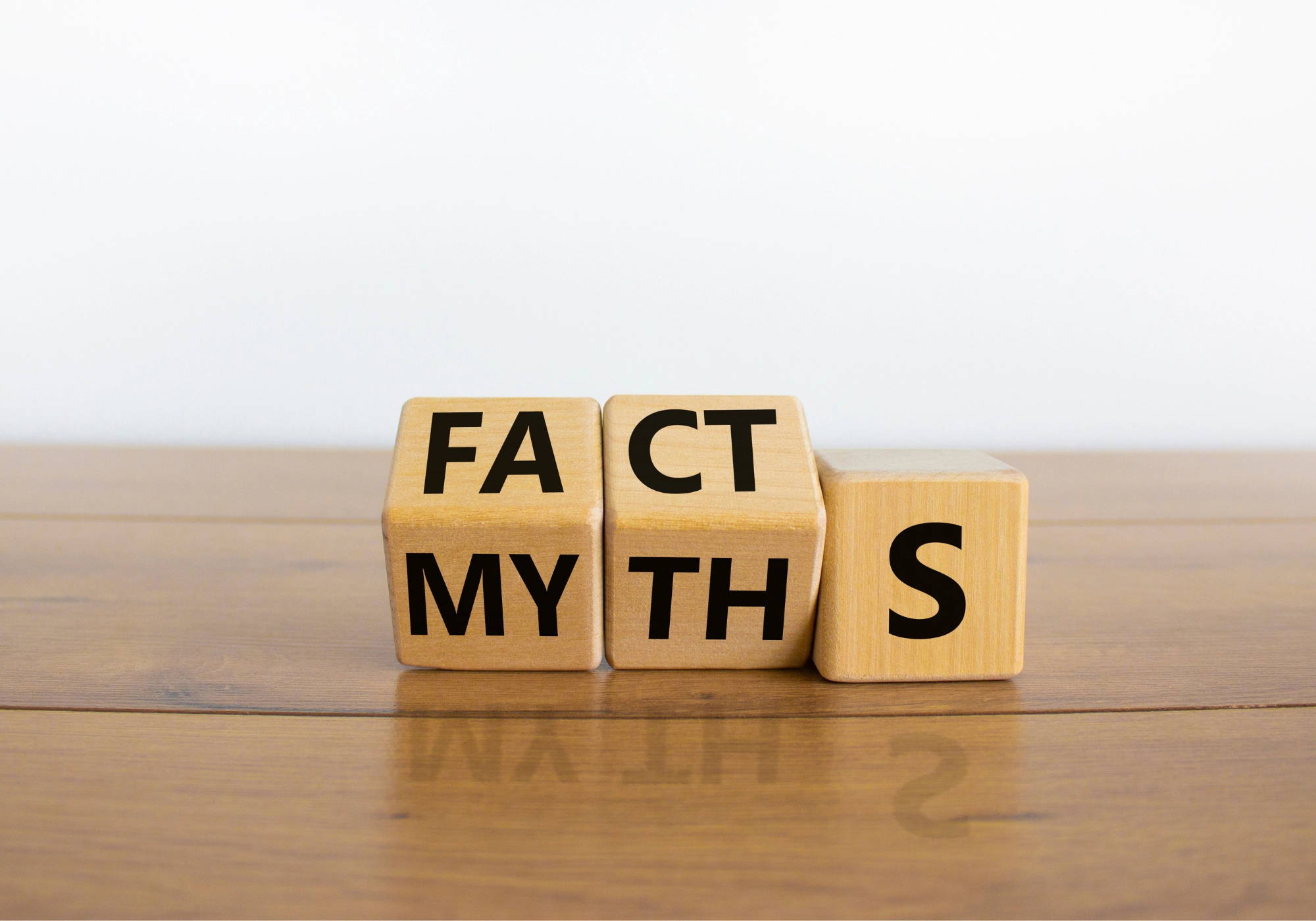
Myth: Gluten-Free = Healthy
Fact: gluten-free just means no gluten. It says nothing about what replaced it.
Plenty of gluten-free bread is built on refined starches, added sugar, seed oils, and a handful of gums. On a clean-label scorecard tracking things like organic status, seed oils, allergens, added sugar, and gums, the average growing gluten-free brand still carries real penalty points. PACHA carries zero.
Gluten-free is a starting filter, not a health guarantee — worth checking what's actually in the loaf before assuming "gluten-free" did the work for you.
Myth: If It Says "Sourdough," It's Fermented
Fact: "sourdough" on a label can describe a flavor, not a process.
Real sourdough means wild fermentation — naturally occurring bacteria doing the work over an extended period, which is what triggers the digestive and nutritional benefits people associate with sourdough. Some breads use "sourdough" to describe a tangy flavor added after the fact, or a much shorter fermentation than what produces those benefits.
There's a specific version of this worth watching for, too: "sourdough style" often means only part of the recipe was fermented — a small portion of cultured flour blended into a dough that's mostly unfermented ingredients — rather than the whole dough going through a real, extended fermentation. That distinction matters, because the benefits of fermentation come from what happens to the dough as a whole, not from a fermented ingredient sprinkled into an otherwise conventional recipe.
PACHA's bread and English muffins are wild-fermented, every batch, with no added yeast. If sourdough matters to you for how it makes you feel — not just how it tastes — it's worth asking what "sourdough" actually means on any label you're reading.
Myth: Frozen = Less Fresh
Fact: frozen is often the freshest option available, not the least.
Bread ships to the freezer section because it's baked without the preservatives that let bread sit at room temperature for weeks. Freezing is what makes that possible — it locks bread in shortly after baking instead of relying on chemicals to slow staling on a shelf.
PACHA is frozen for exactly this reason: no preservatives, no dough conditioners, nothing added to extend shelf life artificially. Freezer-aisle bread with a short ingredient list is usually the more minimally processed option.
Myth: Buckwheat Is a Grain
Fact: buckwheat isn't a grain at all. It's a pseudocereal — the seed of a flowering plant related to rhubarb, not a cereal grass like wheat, rice, or oats.
That's also why buckwheat is naturally gluten-free: it was never in the grain family gluten comes from to begin with. For anyone avoiding grains specifically (not just gluten), buckwheat fits a grain-free approach the same way quinoa or amaranth does.
Blood Sugar
Why Do Some Breads Spike Blood Sugar More Than Others?
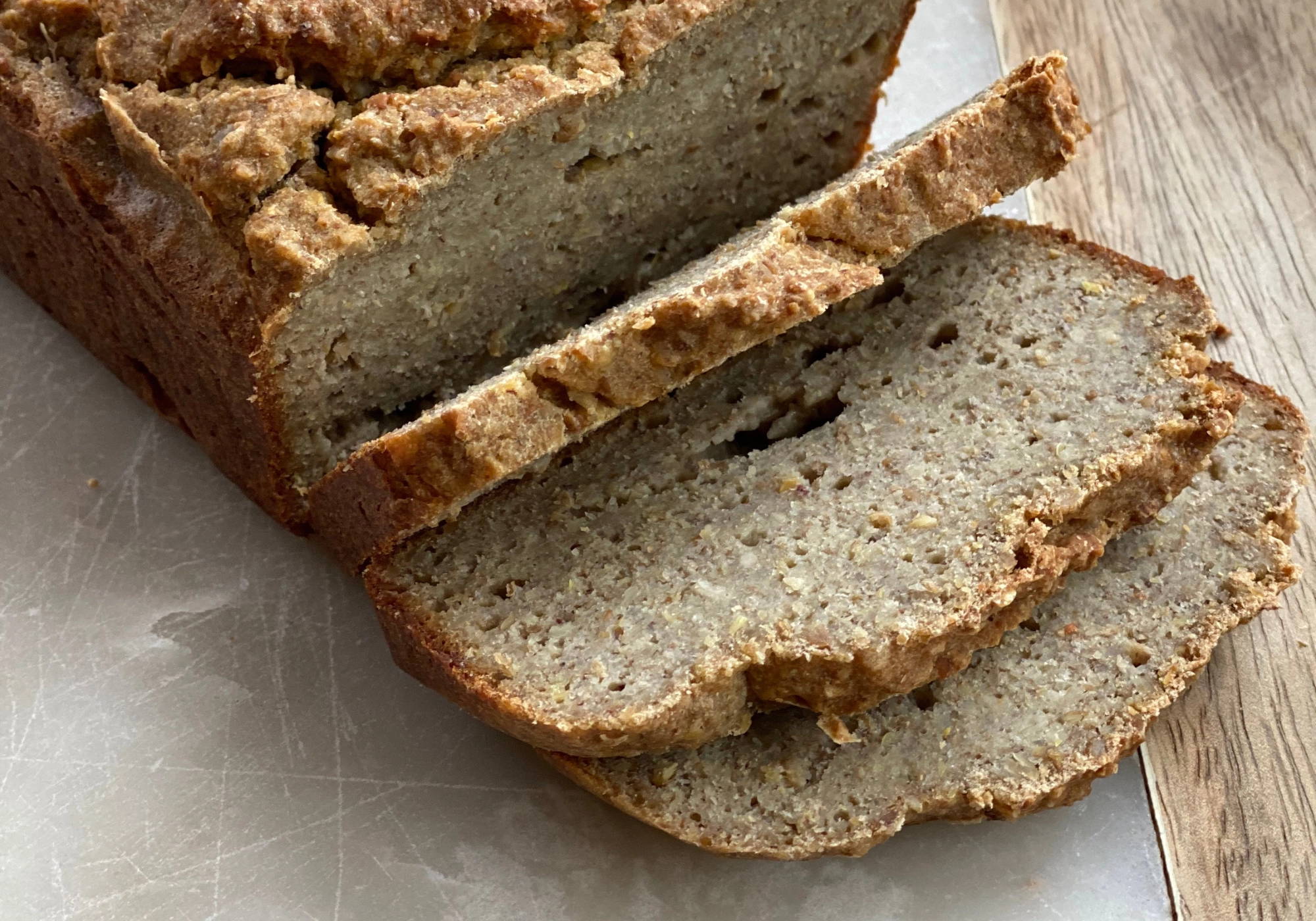
It comes down to what's actually in the bread — particularly the type of starch and how refined it is, plus fiber and protein, which slow how fast carbs are digested and absorbed. Highly refined starches (like white rice flour or potato starch, common gluten-free bread bases) tend to convert to glucose faster than breads with more fiber, protein, or resistant starch. Fermentation plays a role too — some research shows fermented sourdough produces a lower measured blood sugar response than unfermented bread made from the same ingredients.
PACHA's English Muffins and Bread are wild-fermented and made from whole sprouted buckwheat, with 4.5g fiber and up to 8.3g protein per English Muffin — all factors that generally influence how quickly a food affects blood sugar.
What Makes Bread Low Glycemic?
The glycemic index (GI) measures how quickly a food raises blood sugar compared to pure glucose. Bread with more fiber, more protein, less refined starch, and a fermentation step generally scores lower on GI than bread made from refined flour with little else in it.
There's no single "low glycemic bread" checkbox — GI varies by ingredient, processing, and even preparation. What to look for on a label: fiber and protein per serving, whether the bread is fermented, and how refined the base starch is.
Is Gluten-Free Bread Better for Blood Sugar?
Not automatically. Removing gluten doesn't directly change how bread affects blood sugar. It's a question of what you use to replace the gluten.
Most gluten-free bread leans on rice flour, potato starch, or corn starch, and those starches test high on the glycemic index on their own (rice around 86, potato around 84, corn around 79). A review of gluten-free bread studies found that roughly 6 in 10 gluten-free bread samples tested came back high-GI, and only about 1 in 5 tested low.
But “whole grain wheat bread” isn't automatically the safer choice either. Whole wheat bread commonly measures in the 51-80 glycemic index range depending on how finely the flour is milled and how it's processed – often higher than people assume, and overlapping with where a lot of gluten-free bread lands.
The deciding factor isn't gluten-free or not, or wheat or not – it's the base ingredient and how it's processed. Bread built from a whole seed with fiber, protein, and a fermentation step behaves differently than bread built from a refined starch, regardless of which grain (or lack of one) is on the label.
Bread for Prediabetes
General nutrition guidance for prediabetes commonly emphasizes fiber, protein, and minimizing refined carbohydrates — all things that influence how quickly a food raises blood sugar. Bread made from whole, fiber-rich ingredients with a fermentation step, like PACHA, fits that general framework better than bread built from refined starches.
This is general nutrition information, not medical advice. If you're managing prediabetes, talk to your doctor or a registered dietitian about what fits your situation.
Bread for Insulin Resistance
Similar principles apply: nutrition guidance around insulin resistance often points toward fiber, protein, and lower-glycemic-impact carbohydrates rather than refined starches, since these tend to produce a more gradual blood sugar response.
This is general information, not medical advice. If insulin resistance is something you're managing, your doctor or dietitian can help you figure out what fits your needs.
Bread for PCOS
PCOS is frequently connected to insulin resistance, and general nutrition guidance for PCOS often overlaps with insulin-resistance guidance — fiber, protein, and lower-glycemic-index foods.
This is general information, not medical advice specific to PCOS. Talk to your doctor or a registered dietitian about what's right for you.
Bread That Keeps You Full Longer

Fiber and protein are the two biggest levers for satiety — they slow digestion and help you feel fuller for longer than refined carbohydrates. A PACHA English Muffin has 4.5g of fiber and up to 8.3g of protein (Multi-Seed), both of which contribute to a more gradual, sustained energy release than a slice of bread made with refined flours and starches.